Why Brexit is bad for Britain
Brexit, the United Kingdom’s withdrawal from the European Union (EU), has had a significant…


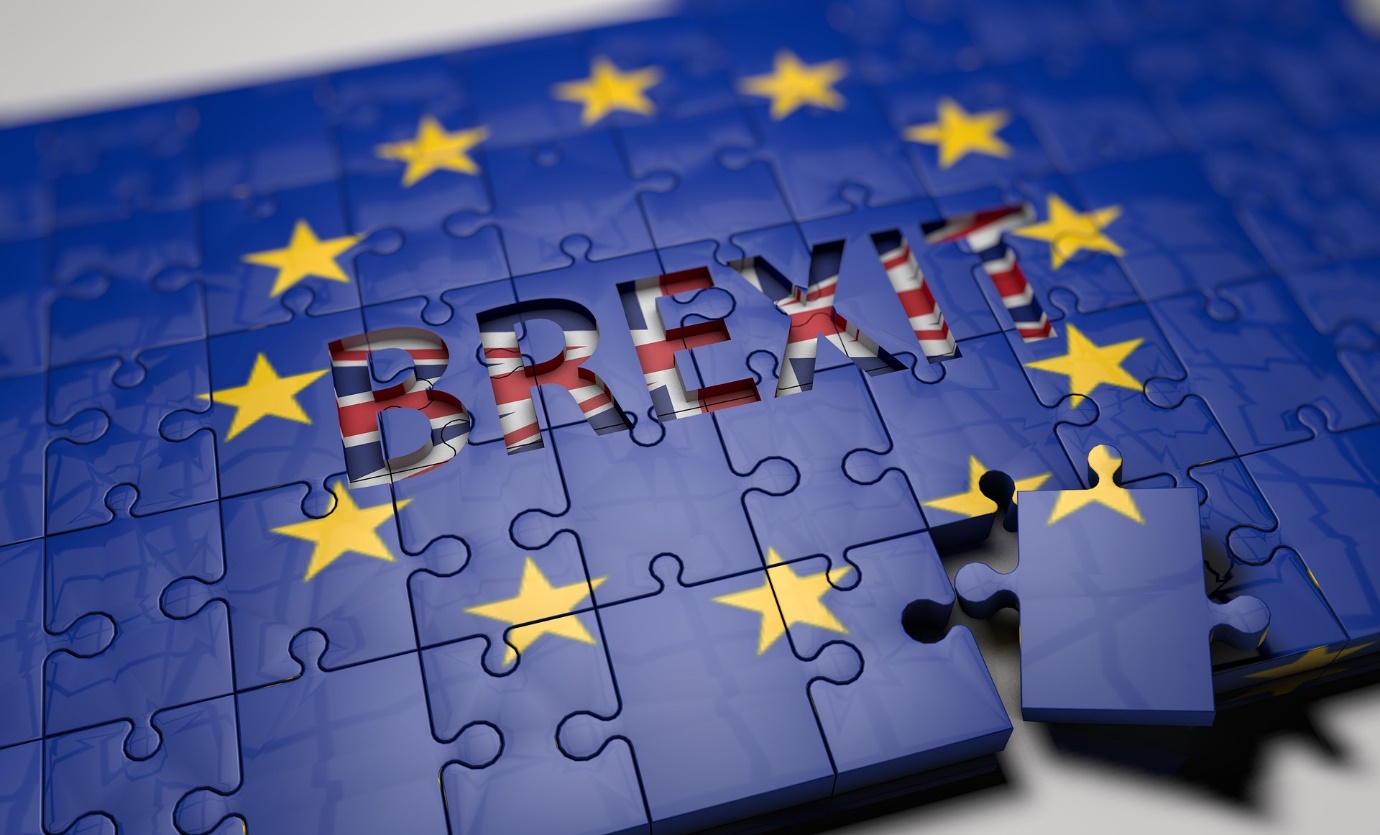
Brexit, the United Kingdom’s withdrawal from the European Union (EU), has had a significant impact on the country and its economy. While the full extent of the damage caused by Brexit is still being debated and studied, it is clear that the process has had negative consequences for Britain.
One major impact of Brexit has been on trade. The UK has long been a major trading partner with the EU, and the country has benefited significantly from its membership in the bloc. However, following the Brexit vote, the UK has had to negotiate new trade deals with the EU and other countries. These negotiations have been complex and time-consuming, and have resulted in significant uncertainty for businesses.
The UK’s departure from the EU has also had a negative impact on the country’s economy. The process of negotiating a withdrawal agreement and securing new trade deals has been costly and has disrupted economic activity. In the immediate aftermath of the Brexit vote, the value of the pound fell significantly, which led to higher prices for imported goods and a decline in consumer confidence. The UK economy has also experienced slower growth compared to other major European countries, and there have been concerns about the country’s ability to attract foreign investment.
Another significant impact of Brexit has been on the country’s political landscape. The Brexit process has been highly divisive, with the country deeply divided over the issue. The debate over Brexit has contributed to a rise in populism and nationalism, and has fueled tensions between different groups within the country. The ongoing uncertainty and lack of consensus over the UK’s future relationship with the EU has also contributed to political instability and has made it difficult for the government to focus on other issues.
The Brexit process has also had significant implications for the country’s relationship with other countries and organizations. The UK’s departure from the EU has led to a decline in the country’s influence on the international stage, as it is no longer able to shape EU policies and decisions. The country’s withdrawal from the EU has also strained its relationships with other countries, as the UK has had to renegotiate its trade and security agreements with these countries.
One of the most significant impacts of Brexit has been on the country’s relationship with the EU. The UK’s departure from the bloc has disrupted the close economic and political ties that have developed over decades, and has led to significant uncertainty about the future of the relationship. This has had negative consequences for businesses and individuals in both the UK and the EU, as they have had to adapt to new regulations and trade arrangements.
The Brexit process has also had implications for the country’s immigration policy. The UK has long been a destination for immigrants from other countries, particularly from within the EU. However, following the Brexit vote, the government has introduced new immigration policies that have made it more difficult for immigrants to come to the UK. This has had negative consequences for the country’s economy, as immigrants play a vital role in the labor market and contribute significantly to the country’s economic growth.
In conclusion, it is clear that Brexit has had a significant impact on the UK and its economy. The process of negotiating a withdrawal agreement and securing new trade deals has been costly and has disrupted economic activity. The Brexit vote has also contributed to political instability and has strained the country’s relationships with other countries and organizations. The ongoing uncertainty about the UK’s future relationship with the EU has also had negative consequences for businesses and individuals in both the UK and the EU. It is important for the UK to continue to address these challenges and work to mitigate the negative impacts of Brexit in order to ensure the country’s long-term prosperity.
Kizzi Nkwocha is the editor of Business Game Changer Magazine and publisher of The Property Investor and Money and Finance Magazine, the net’s fastest growing wealth creation publication. Kizzi Nkwocha made his mark in the UK as a publicist, journalist and social media pioneer. As a widely respected and successful media consultant he has represented a diverse range of clients including the King of Uganda, and Amnesty International. Nkwocha has also become a well-known personality on both radio and television. He has been the focus of a Channel 4 documentary on publicity and has hosted his own talk show, London Line, on Sky TV. He has also produced and presented both radio and TV shows in Cyprus and Spain.
More from editor →

